September 23, 2026
In recent years, turf installation has emerged as a leading choice for homeowners and commercial spaces aiming to enhance their outdoor environment. This method offers a myriad of benefits, making it a compelling option for those seeking convenience without compromising aesthetics. Whether you're looking to reduce outdoor maintenance or elevate the visual appeal of your property, turf installation provides a solution that is both practical and beautiful. As we delve into this article, we will explore the various benefits of turf installation, provide guidance on choosing the right type of turf, and outline the process involved.
Natural grass lawns often require a significant amount of maintenance and resources, which can be a burden for some property owners. By opting for synthetic turf, you are investing in a solution that saves time and reduces environmental impact. Additionally, with advancements in technology, artificial turf now closely resembles natural grass, offering a seamless upgrade for any outdoor space. This alternative not only appeals to the busy homeowner but also supports eco-friendly practices.
Throughout this article, we aim to provide you with a comprehensive guide on turf installation, highlighting its numerous advantages. Our goal is to equip you with the knowledge necessary to make an informed decision regarding your outdoor space. From understanding different turf types to the installation process, we will cover all aspects that contribute to a successful transformation. Let's embark on this journey to discover how turf installation can refresh your outdoor environment.
1. What Are the Benefits of Turf Installation?
a. Environmental Advantages
One of the most significant benefits of turf installation is its positive impact on the environment. Traditional lawns require abundant water resources, often consuming about 150,000 gallons of water annually for just 700 sq. ft., according to Research and Markets. By switching to artificial turf, water usage is dramatically reduced, conserving this precious resource. Moreover, turf installation eliminates the need for harmful pesticides and fertilizers, resulting in a healthier ecosystem.
Aside from water conservation, synthetic turf reduces air pollution. Lawn mowers and other gas-powered garden tools emit considerable greenhouse gases, contributing to environmental degradation. Opting for artificial grass means reducing the reliance on these tools, thereby lowering your carbon footprint. In essence, turf installation supports a cleaner, greener planet by replacing resource-intensive maintenance practices.
Another environmental benefit is the decrease in land pollution. Traditional lawn maintenance often results in chemical runoff that contaminates surrounding soil and water bodies. With synthetic turf, there's no need for such chemicals, minimizing the risk of pollution. The installation of turf not only supports sustainable practices but also preserves the natural beauty of your surroundings without adverse effects.
b. Cost Efficiency
Turf installation can be a cost-effective solution for many homeowners. While the initial investment might seem significant, the long-term savings are considerable. With traditional lawns, continuous expenses arise from regular watering, mowing, and fertilizing, which can accumulate over time. In contrast, artificial turf requires minimal ongoing maintenance costs, providing a more economical option.
The durability of synthetic turf adds to its cost benefits. It is designed to withstand heavy foot traffic and resist damage from natural elements, ensuring a longer lifespan than traditional grass. This means less frequent replacement and repair costs, further emphasizing the economic advantage of turf installation. Over time, the savings on such expenses can offset the initial cost of turf, making it a wise financial decision for property owners.
Another aspect of cost efficiency is the increase in property value that turf installation brings. A well-maintained and appealing outdoor space can significantly enhance the curb appeal of your home. This not only makes your property more attractive but can also lead to higher resale values. Thus, investing in turf installation could potentially yield financial gains if you decide to sell your home in the future.
2. How to Choose the Right Type of Turf for Your Space?
a. Understanding Different Turf Types
When it comes to turf installation, selecting the right type of turf is crucial for achieving the desired result. There are various synthetic turf options available, each designed to cater to specific needs and preferences. Some turf types are crafted to mimic the texture and color of natural grass, while others are created for durability and high-traffic areas. Understanding these differences helps ensure the turf you choose aligns with your landscaping goals.
One of the key factors to consider when selecting turf is the material composition. Synthetic turf is often made from polyethylene, polypropylene, or nylon, each offering different levels of softness, durability, and temperature resistance. For instance, nylon turf is known for its strength and ability to withstand heavy use, making it ideal for sports fields. Meanwhile, polyethylene provides a soft, natural-looking surface suitable for residential lawns.
b. Considering Climate and Weather
Climate and weather conditions play an essential role in selecting the appropriate turf type for your space. The geographical location and local climate can influence the performance and longevity of artificial turf. For regions experiencing extreme temperatures, choosing turf with UV-resistant fibers is vital to prevent fading or damage. In hotter climates, lighter colors or specialized cooling technologies can help manage surface temperature.
On the other hand, for rainy and humid areas, selecting turf that provides efficient drainage is crucial. High-quality turf installations often include backing materials designed to allow water to pass through easily, preventing waterlogging and quick drying after rainfall. This feature ensures your turf remains functional and aesthetically pleasing, even in wet conditions. Weather-resilient turf types provide reliable performance regardless of environmental challenges.
3. What Is the Process of Turf Installation?
a. Site Preparation
Site preparation is the first step in ensuring a successful turf installation. Clearing the area of existing vegetation, debris, and any unwanted elements is essential for a smooth installation. This often involves removing weeds, rocks, and other obstructions, creating a clean slate for installing synthetic turf. Ensuring the site is properly level and grading helps eliminate low spots that can cause pooling.
After clearing the area, compacting the soil is crucial to achieve a stable foundation for the turf. This process includes compacting the soil with a roller or heavy equipment to create a hard surface that supports the synthetic grass. Additionally, it's important to install a base layer, such as crushed rock or sand, for improved drainage and stability. Proper preparation eliminates potential settling, ensuring a level and durable surface for the installation.
b. Laying the Turf
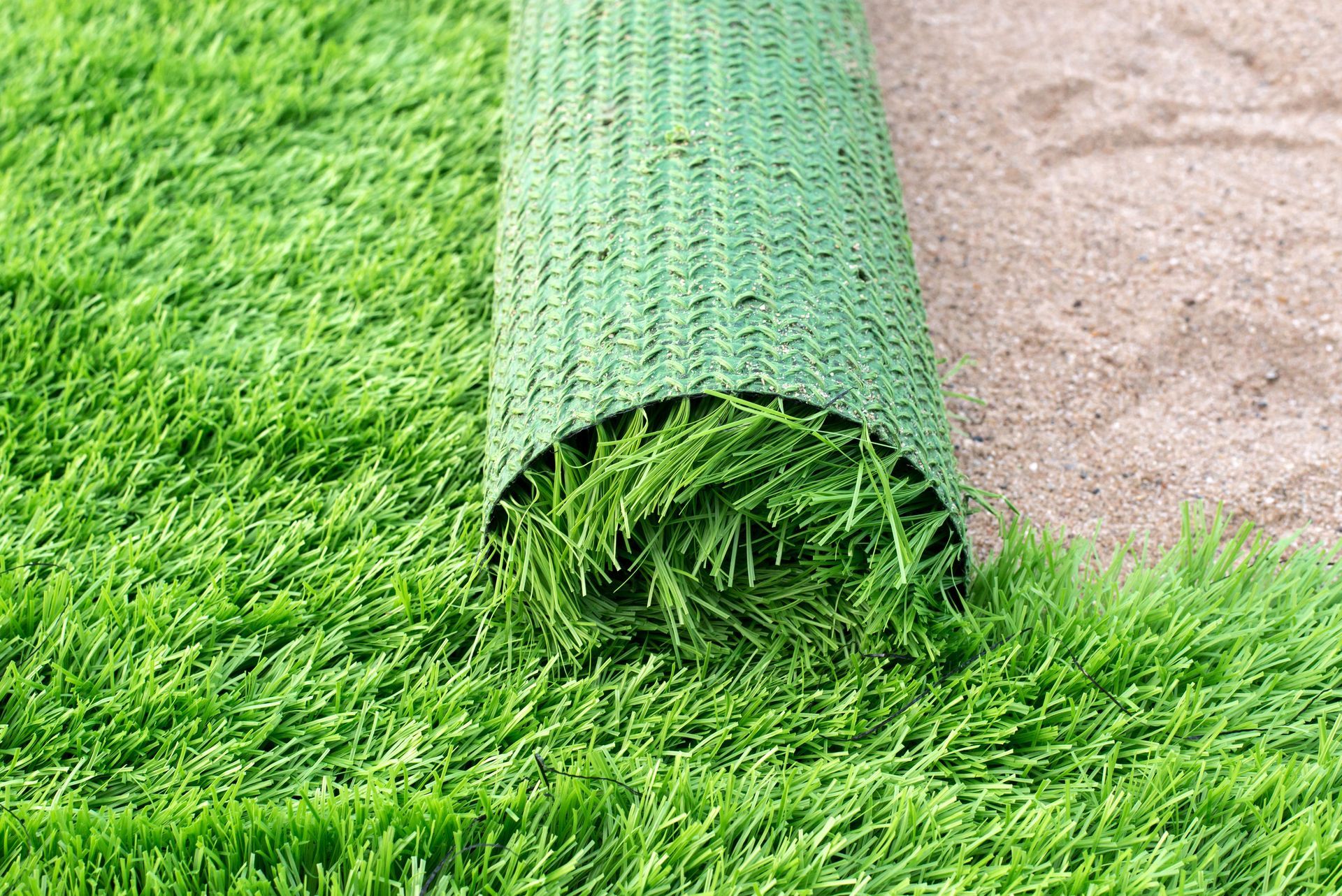
Once the site is prepared, the next crucial step is laying the turf to achieve a seamless and secure installation. Carefully unroll the turf over the prepared base, ensuring the blades are uniformly oriented for a natural appearance. Precise measurements and cuts are essential to map the turf accurately to the space without gaps or overlaps. Securing the seams requires specialized tape or adhesive to ensure an even finish.
After laying the turf, it is vital to fasten it to the ground using nails, pins, or turf staples. This anchorage prevents movement and ensures the grass stays in place despite heavy foot traffic or wind. Edging around the perimeter adds additional security while enhancing the overall appearance of the installation. By meticulously fixing and securing each section of the turf, a professional and stable finish is achieved.
Turf installation offers an exciting opportunity to upgrade your outdoor space with ease and elegance. By understanding the multifaceted benefits—from environmental to financial—you can make an informed choice that aligns with your needs and aspirations. Whether prioritizing aesthetics, care considerations, or functional improvements, the installation of synthetic turf provides a holistic approach to modern landscaping.
Carefully selecting turf types, taking into account climate, soil conditions, and budget considerations, ensures a customized experience. Additionally, the installation process involves precise preparation, laying, and care practices that enhance the turf's performance and longevity. Deciding between professional support and DIY efforts also impacts the outcome, and each choice presents its own set of advantages.
Ultimately, the profound impact of turf installation on your outdoor space is undeniable; it offers a blend of practicality, aesthetic appeal, and ease of maintenance. With a comprehensive understanding of the process and benefits, you're poised to transform your environment into a verdant oasis. Turf installation promises to redefine your outdoor experience, delivering unmatched quality and enjoyment for years to come. Reach out to Archterra Landscape Services LLC today to see how we can help you!