November 25, 2026
A healthy, attractive lawn can transform an outdoor space, creating a welcoming environment for relaxation, recreation, and everyday activities. However, establishing a beautiful lawn takes more than spreading grass seed and waiting for it to grow. Professional turf installation provides a more efficient way to achieve consistent coverage and a finished appearance. From evaluating soil conditions to preparing the ground and laying new sod, experienced turf installers handle several important steps to support successful results.
Evaluating the Existing Landscape
Before beginning a turf installation project, professionals assess the property's existing landscape. This initial evaluation helps determine the condition of the ground, identify potential obstacles, and establish which preparation steps will be necessary. Factors such as soil composition, drainage, sunlight exposure, and existing vegetation can all influence the success of a new lawn.
Turf installers also consider the property's size, layout, and intended use. A backyard designed for family activities may have different requirements than a front lawn focused primarily on curb appeal. According to Research and Markets, about 42% of turf installations are for backyards. Understanding how the space will be used helps professionals recommend an appropriate turf option and installation approach.
Choosing the Right Type of Turf
One of the most important decisions in a turf installation project is selecting the appropriate grass variety. Different turf types have varying requirements for sunlight, water, temperature, and maintenance. Some varieties perform well in sunny environments, while others are better suited to partially shaded areas. Professionals consider these characteristics when helping property owners choose an option that will thrive in their landscape.
Climate is another important consideration. Grass varieties that perform well in cooler regions may have different growing requirements than those suited to warmer environments. Turf installers can explain the differences between available options and recommend varieties based on regional conditions. They may also discuss factors such as color, texture, durability, and expected maintenance requirements to help property owners make an informed selection.
Preparing the Installation Area
Proper ground preparation is essential for establishing healthy turf. Before new sod can be installed, the existing area must be cleared of unwanted vegetation, debris, rocks, and other materials that could interfere with the process. Professionals evaluate the condition of the surface and determine which preparation steps are necessary.
Depending on the property's current condition, preparation may involve removing old grass, addressing compacted soil, and clearing roots or other obstructions. These steps create a more suitable foundation for the new turf. Thorough preparation also helps prevent uneven areas and reduces the likelihood of problems developing after installation. By addressing existing landscape concerns early, professionals can create better conditions for consistent lawn establishment.
Assessing and Improving Soil Conditions
Soil provides the foundation for a healthy lawn, supplying the nutrients, moisture, and support grass needs to develop. However, not all properties have soil conditions that naturally support strong turf growth. Compacted ground, poor nutrient levels, and unsuitable soil composition can make it more difficult for new sod to establish healthy roots.
Professional turf installers evaluate these conditions and may recommend soil amendments or other improvements before installation. Depending on the property's needs, this can involve adding nutrient-rich topsoil, incorporating organic material, or loosening compacted areas. Creating a suitable growing environment encourages root development and helps new grass establish a stronger connection with the ground beneath it.
Grading the Ground for Proper Drainage
Drainage is another important factor that professionals address before laying new turf. When water collects in low areas, it can contribute to soggy soil, root problems, and inconsistent grass growth. On the other hand, surfaces that direct water too quickly away from the lawn may leave certain areas without sufficient moisture.
Turf installers evaluate the property's slope and make adjustments when necessary to encourage appropriate drainage. Grading helps create a more even surface while directing excess water away from buildings and other areas where it could cause problems. This preparation step is particularly important for properties with uneven terrain or a history of standing water. Proper grading supports healthier growing conditions and contributes to a more attractive finished lawn.
Establishing a Smooth and Even Surface
Once the ground has been cleared, improved, and graded, professionals prepare the surface for installation. Creating a smooth foundation helps ensure that sod pieces make consistent contact with the soil. Uneven ground can create visible dips, raised areas, and gaps that affect the lawn's appearance and make routine maintenance more difficult.
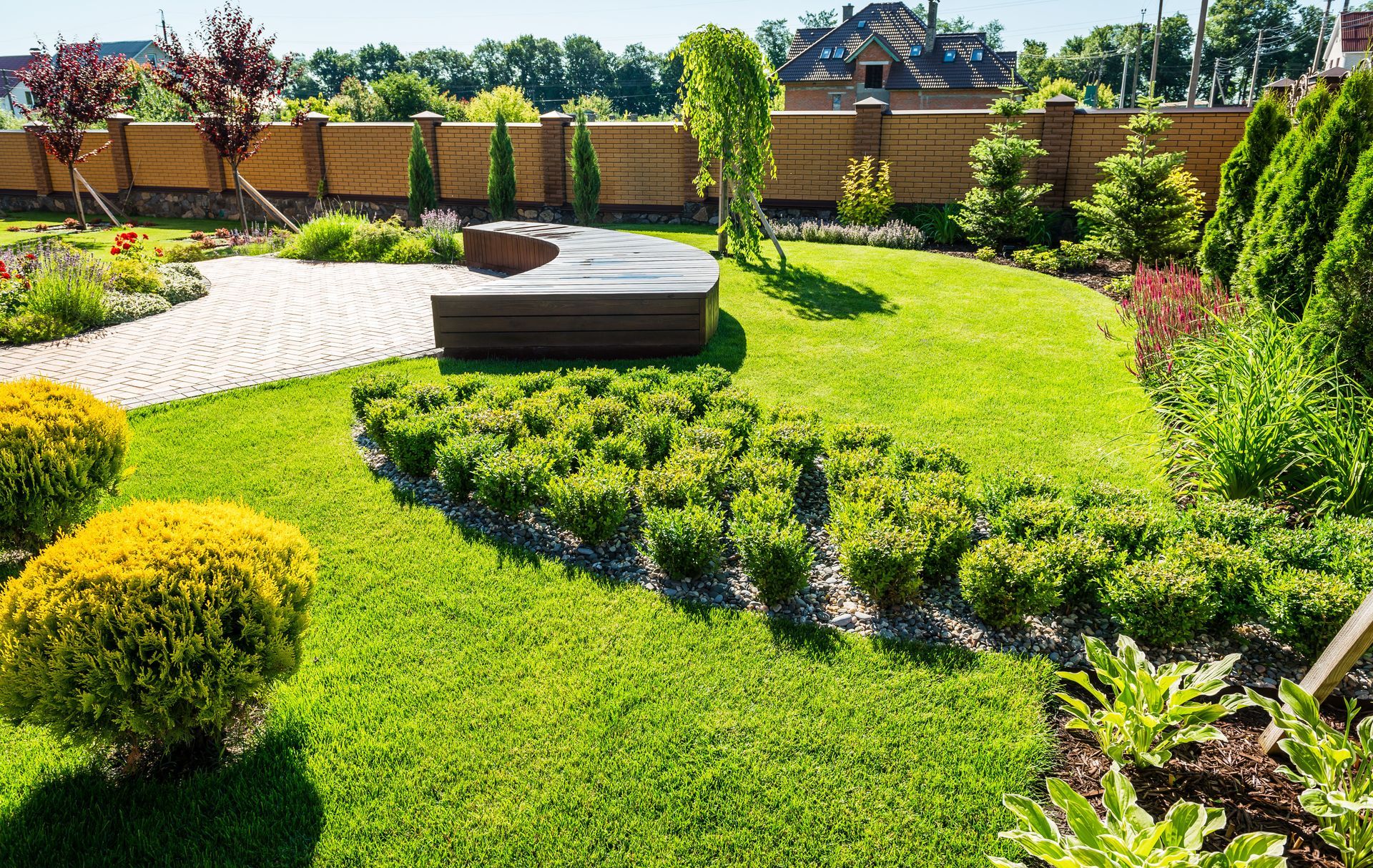
Installers carefully distribute and level the prepared soil to create a consistent surface. They may also make final adjustments around walkways, garden beds, trees, and other landscape features. Attention to these details helps the new lawn blend naturally with the surrounding property. A properly prepared surface also provides a more stable foundation for the sod as it begins establishing its roots.
Laying the New Sod
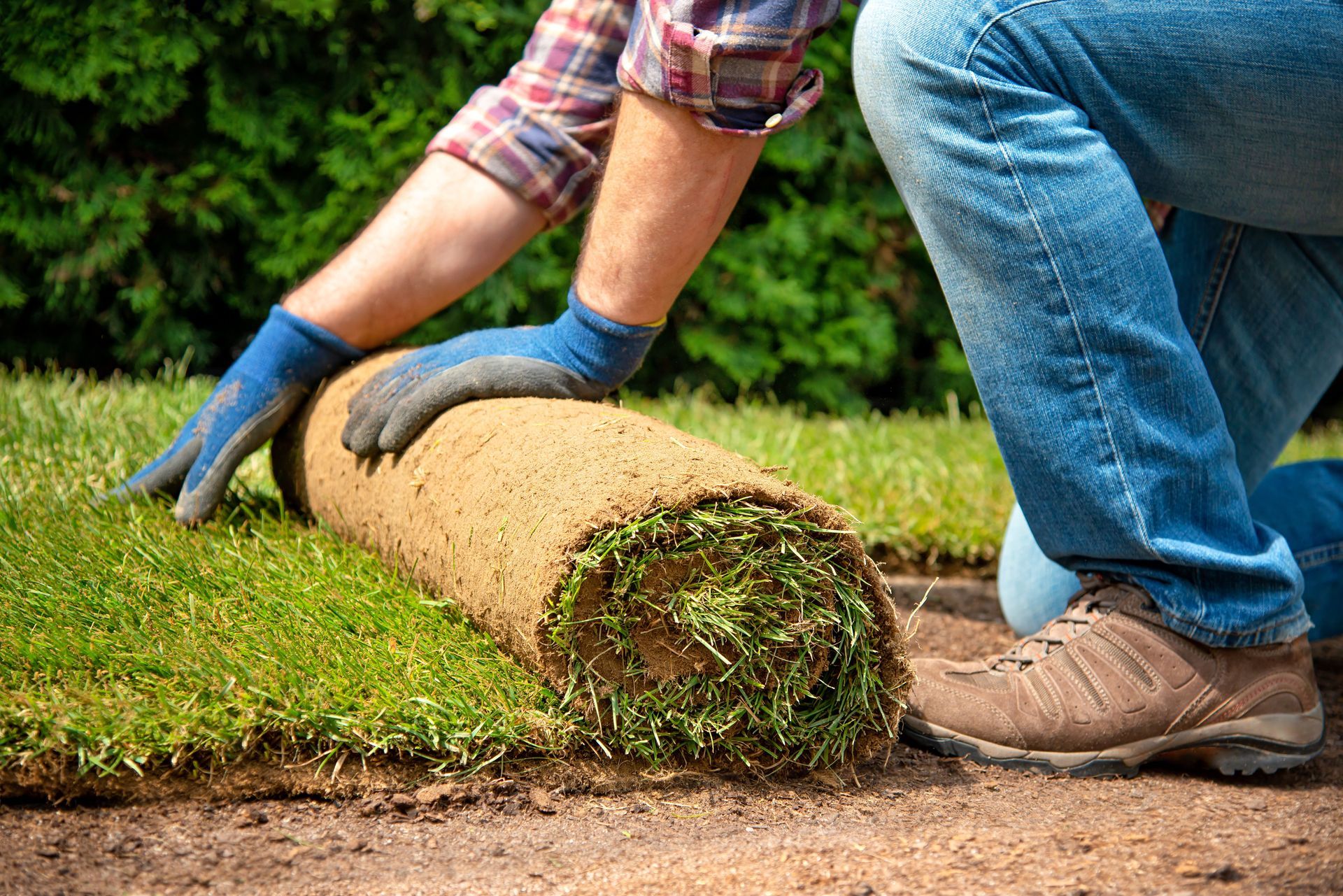
With the preparation work complete, turf installers can begin placing the new sod. Sod generally arrives in sections or rolls containing established grass and a layer of soil with existing roots. Professionals arrange these pieces across the prepared surface, positioning them carefully to create continuous coverage.
Installers typically place adjoining sections closely together while staggering seams to avoid creating long, continuous lines. They also trim pieces as needed to accommodate curves, edges, and landscaping features. Proper placement helps minimize visible gaps and creates a more uniform appearance. Once the sod has been positioned, professionals may use appropriate equipment to encourage good contact between the sod and the prepared soil, supporting the early stages of root establishment.
Watering and Supporting Root Establishment
Newly installed sod requires appropriate moisture to establish healthy roots. Because the grass has recently been moved from its original growing location, it needs time to connect with the soil beneath it. Consistent watering during this period helps prevent the grass from drying out and supports the development of new roots.
Turf installers can provide watering recommendations based on the grass variety, soil conditions, weather, and time of year. Newly installed sod generally needs more frequent attention initially, with watering practices adjusted as the roots become established. Property owners should follow the installation provider's instructions because too little or too much water can interfere with healthy development. Proper early care helps the lawn transition successfully into its new environment.
Understanding the Importance of Post-Installation Care
Although professional installation establishes the foundation for a healthy lawn, the work does not end once the sod is in place. Newly installed turf needs time to settle and develop a strong root system before it can withstand regular foot traffic and routine lawn maintenance. Following the recommended care schedule is essential during this adjustment period.
Professionals may provide guidance regarding mowing, watering, fertilization, and temporary restrictions on lawn use. The first mowing should generally wait until the grass has established enough to remain securely in place. Mowing too early can disturb developing roots or damage the new lawn. Fertilization schedules also depend on the grass variety and soil conditions. Following professional recommendations helps protect the investment and encourages consistent growth.
Whether you want to improve your backyard, refresh your front lawn, or create a more functional outdoor environment, professional
turf installers can help bring your vision to life. With careful preparation, quality turf, and consistent maintenance, a professionally installed lawn can become a beautiful and valuable part of your landscape. Contact our team at Archterra Landscape Services, LLC today!